
Ready to Make an Impact: Building a Strong Foundation for the Youth Workers’ Camp
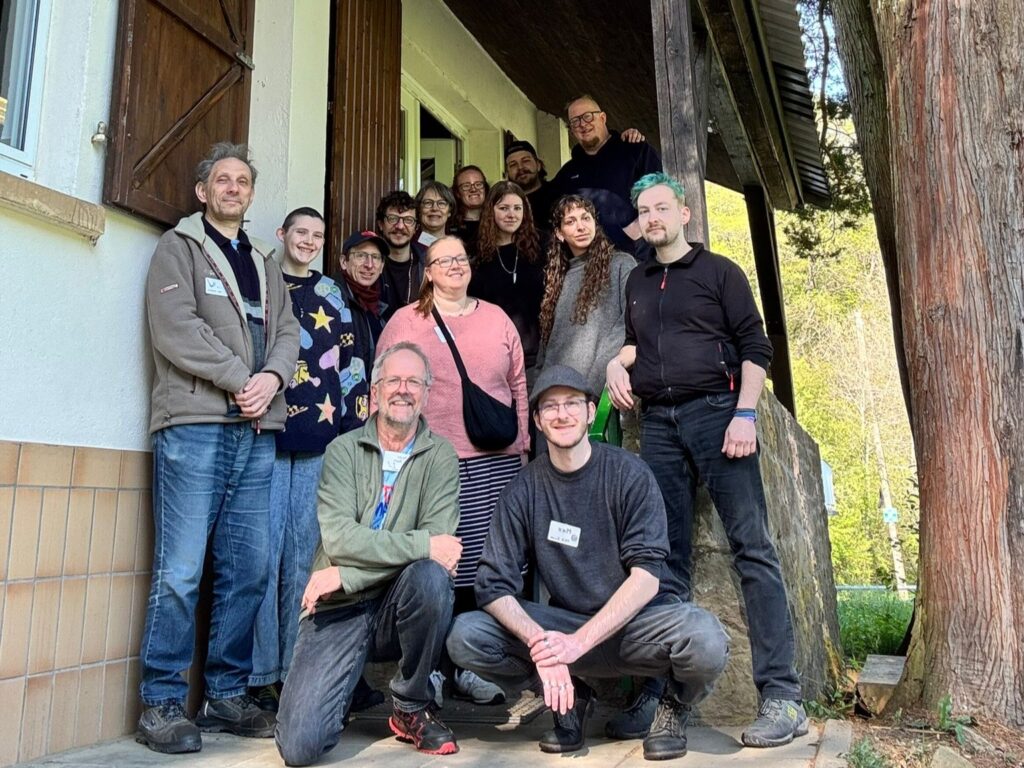
Latest News Ready to Make an Impact: Building a Strong Foundation for the Youth Workers’ Camp Jovche Krsteski The preparation activities for the Youth Workers’ Camp were organised by the coordinating YMCA team at Camp Michelstadt in Germany, in close cooperation with partner YMCA organizations and youth workers from all participating countries. From YMCA, Jovche Krsteski actively took part in the preparation process and contributed his experience and perspectives.This preparation phase brought together project coordinators, trainers, and volunteer youth workers in a collaborative and open working atmosphere. The main aim was to ensure that the upcoming project content, methodology, and overall organization were well aligned with YMCA values and responsive to the realities of youth work in different local contexts. Together, the partners defined shared learning objectives, key thematic priorities, and pedagogical approaches that would enable participants to explore leadership and values not only through discussion, but also through hands‑on, experiential learning. The preparation activities included structured planning meetings, thematic exchanges, needs assessments, and the sharing of best‑practice examples from the participating organizations. Partners worked closely to design plenary sessions, workshops, and interactive program modules, making use of participatory and inclusive learning methods. Special attention was given to creating a welcoming and supportive learning environment, adapting activities to different learning styles, and ensuring accessibility for all participants. Thanks to this collaborative and participatory preparation process, the project team laid a strong foundation for a camp that offers a safe space for encounter, exchange, and mutual learning. The preparation phase also strengthened cooperation between partner organizations, built a shared understanding of project values, and encouraged youth workers to confidently take on their role as promoters of diversity, equality, and anti‑discrimination in their future local youth work activities.
YMCA.mk Engages in Regional Exchange at Western Balkan Meeting in Thessaloniki
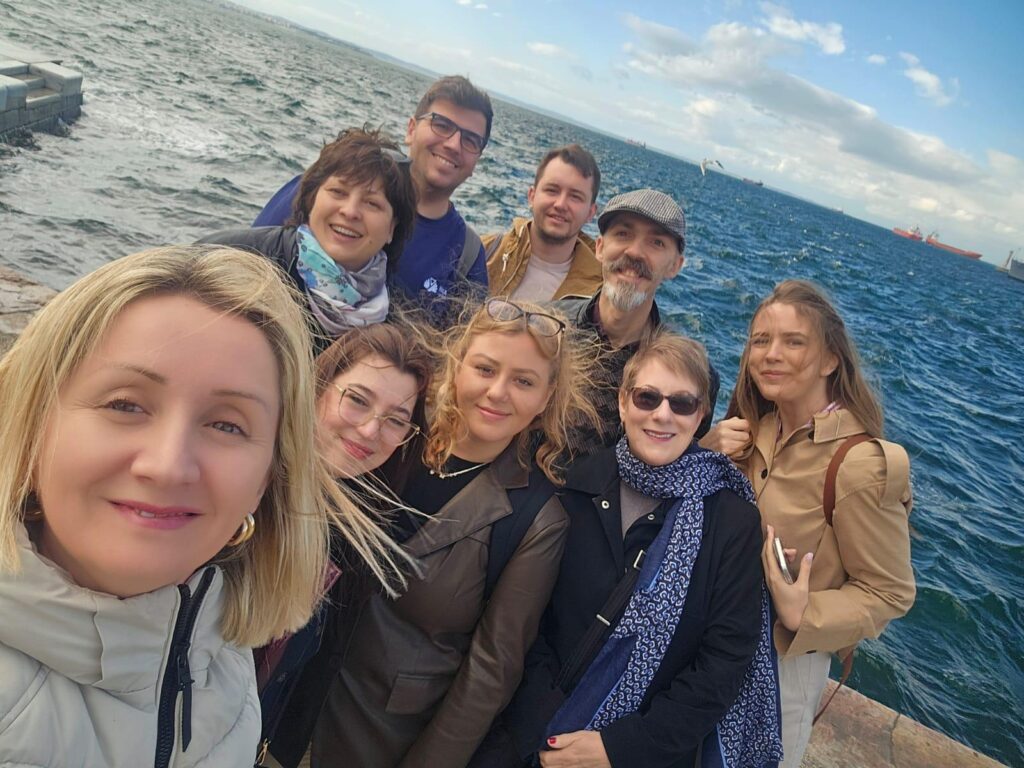
Latest News YMCA.mk Engages in Regional Exchange at Western Balkan Meeting in Thessaloniki YMCA.mk participated in a Western Balkan YMCA meeting hosted by YMCA Thessaloniki from 26–28 March 2026. The conference brought together other YMCA representatives from Gabrovo (Bulgaria), Kosovo, and Serbia to exchange best practices and explore opportunities for stronger regional cooperation. Representing YMCA.mk were Viktor Iliev, Executive Director, and Ellen Kussman, Peace Corps Volunteer. Their participation underscored YMCA.mk’s dedication to continuous learning and regional partnership as it works to expand its impact on young people in Macedonia. As one of Europe’s longest-established and most successful YMCA organizations, founded in 1921, YMCA Thessaloniki hosted the in-depth learning and collaboration event. The primary goal of the meeting was to examine effective operational models and program strategies while identifying areas for partnership among Western Balkan YMCAs. The program began with a welcoming meeting involving colleagues from YMCA Thessaloniki’s Camping and European Projects Department, along with members of its leadership team. Participants were introduced to the organization’s structure, mission delivery, and long-standing community impact. A central component of the meeting was a detailed discussion on YMCA Thessaloniki’s business models and economic activities. Participants explored how the organization sustains its operations through diversified revenue streams, including membership programs, camps, and community activities, while maintaining a strong focus on youth development and social responsibility. The YMCA.mk delegation also joined a guided tour of the organization’s sports facilities, gaining insight into the scale and quality of its infrastructure. A highlight of the visit was a tour of the Basketball Museum, where participants learned about the history of basketball and its deep roots within the YMCA movement. The museum’s curator provided a comprehensive overview of the exhibits and their significance. An informal roundtable discussion brought together youth workers and volunteers involved in the Leadership Academy, Leaders-in-Training program, and camps. This interactive session encouraged the sharing of practical experiences, challenges, and innovative approaches to youth engagement and leadership development. Further discussions focused on membership models, design and delivery of camps and children’s programs, and strategies for strengthening cooperation with private sector partners and local authorities. Participants also examined various revenue-generating activities that can enhance organizational sustainability across the region. The meeting concluded with a renewed sense of connection among Western Balkan YMCAs and a shared vision for advancing youth development through cooperation, innovation, and sustainable practices.
YMCA Bitola: Creating a Safe and Supportive Mental Health Space for Youth
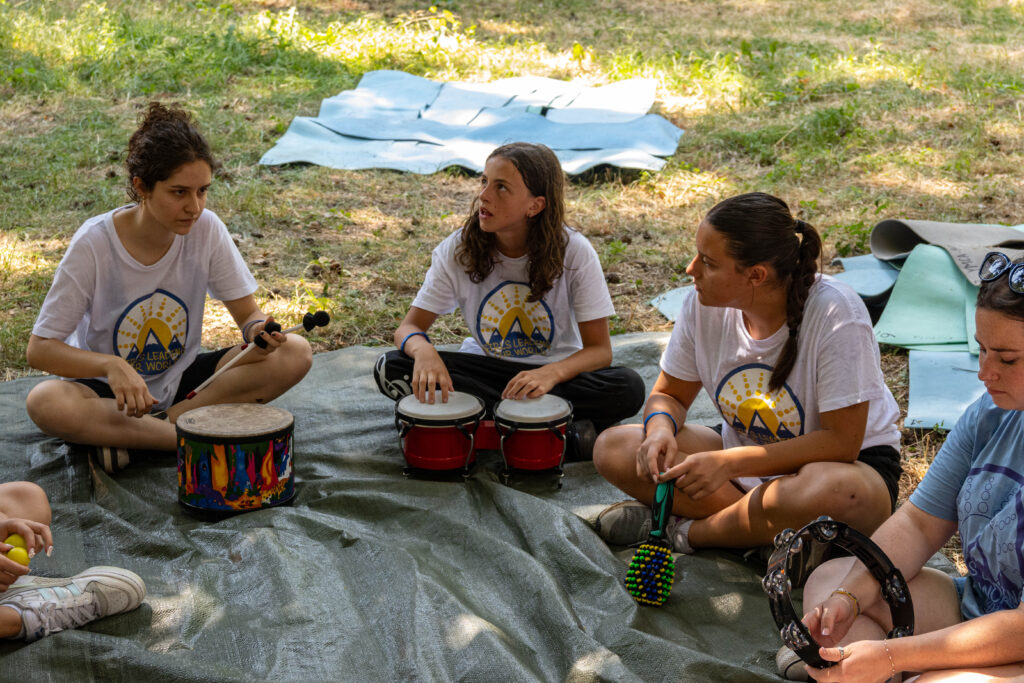
Latest News YMCA Bitola: Creating a Safe and Supportive Mental Health Space for Youth Since establishing in the youth center in 2023, YMCA Bitola has been intentionally developing a creative, youth‑friendly environment where mental health is approached with care, professionalism, and innovation. Through the introduction of the Headspace concept, the YMCA has successfully integrated mental‑wellbeing practices into all major youth programs, making the space recognizable as a safe and supportive environment for young people seeking guidance, personal growth, or referrals to professional help. Throughout 2024–2025, the organization implemented a series of activities designed to help youth understand and strengthen their mental health. These included information sessions on basic mental health conditions and warning signs, as well as hands‑on experiences that allowed young people to explore stress relief, emotional regulation, and self‑expression. Yoga sessions tailored for the GLOW girls’ club introduced breathing exercises, relaxation, and mindfulness, while experimental art workshops encouraged guided visualization, painting, and creative expression. Both activities have now become permanent components of the YMCA’s annual curriculum. YMCA Bitola also expanded its physical capacity for youth development by partnering with the Faculty of Pedagogy in Bitola, gaining access to their outdoor campground. Together with young volunteers, the team transformed the space through service activities, turning it into a vibrant “classroom without walls” where multiple day camps were later held. New interactive tools such as percussion instruments for Drum Circle and outdoor lazy air bags for chill‑out zones were introduced, while Lego‑based and creative handcrafts experiential learning activities are planned for future, contributing to stronger group connection, stress relief, and overall joyful community building for all participants. Across its programs—peer‑to‑peer education against bullying, the GLOW club, boys’ and girls’ camps, and career‑development peer school—the YMCA implemented over 30 mental‑health‑integrated activities, reaching hundreds of young people. The organization also created a comprehensive brochure outlining the YMCA youth center as a mental‑health‑aware safe space, where trained staff and a professional psychologist are available, and where youth can learn, engage, or be referred for more specialized support when needed. The YMCA’s efforts resulted in several key accomplishments: A new hands‑on curriculum that moves beyond awareness‑raising to provide real mental‑health experiences rooted in connection, creativity, and personal authenticity. Expanded safe physical environments, including an outdoor learning area achieved through strategic partnerships. Revitalized programs that include Drum Circle and various other types of creative experiential learning activities were introduced, supporting sustainability and increasing the possibilities for new income‑generated activities in the future. At the same time, challenges such as reaching a wider audience and competing with ad‑hoc local initiatives highlighted the need for long‑term program consistency. In response, the YMCA strengthened communication through social media, direct outreach, and partnership networks. With the support of a dedicated psychologist and growing collaboration with local mental‑health organizations, the YMCA has built a stable and credible foundation for youth wellbeing. These collective efforts directly advance YMCA Vision 2030, especially the priority area of Community Wellbeing, promoting safe spaces where young people can develop body, mind, and spirit. They also support the principles of a Just World, ensuring all youth are treated with dignity and have access to mental‑health support without stigma. Looking ahead, YMCA in Bitola plans to continue integrating the Headspace approach across all programs, deepen the contextualization of YMCA USA mental health resources, and expand to underserved rural communities—especially as new municipal youth centers open without structured programming and other rural area schools. The YMCA is steadily building its capacity to reach more young people, ensuring that every youth in the region can access a supportive, creative, and trusted space for personal and emotional wellbeing.
MACC 2026: Leadership, Vision, and a Global Perspective
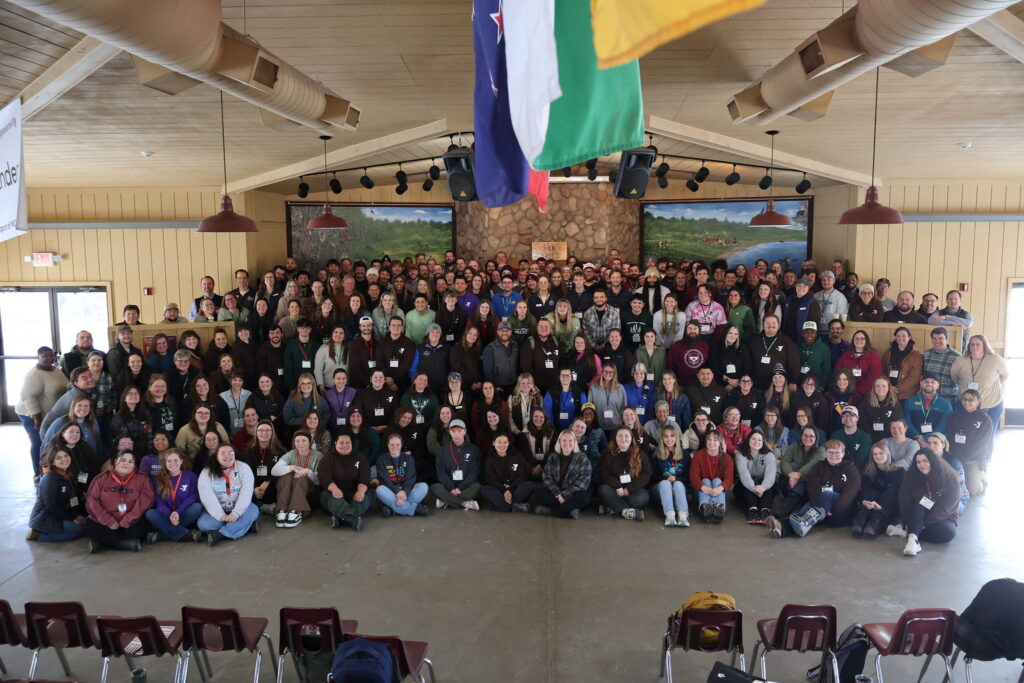
Latest News MACC 2026: Leadership, Vision, and a Global Perspective By Roberta Petrovska Attending the Middle America Camping Conference (MACC) in the United States was a full-circle moment for me. I first came to camp in Krushevo in 2018 as a camper, later returned as a CIT, and then as a counselor. This experience felt like the next step in that journey, seeing the bigger picture of what camp looks like beyond my own country. Before the conference officially began, our international group took part in what’s called a “SKIP trip,” where we visited several YMCA camps and the YMCA of the USA headquarters in Chicago. Our group included participants from Finland, Ukraine, Barbados, Aruba, Chile, Romania, Spain, Macedonia, and more. For nearly a week, we drove from Nebraska to Michigan, visiting camps and learning directly from the people who lead them. The first camp we visited was Camp Kitaki in Nebraska, followed by YMCA Camp in Des Moines, and later Sherman Lake YMCA Camp. Each camp had its own identity, culture, and strengths, but what stood out to me everywhere was intentionality. Every program, every space, every tradition had purpose behind it. These weren’t just camps running activities, they were structured environments designed for youth development, leadership growth, and community building. In Chicago, we visited the YMCA of the USA headquarters, where we were introduced more deeply to the mission, vision, and long-term strategy of the organization. Seeing how the national structure connects to local camps helped me understand how much coordination, planning, and long-term thinking go into sustaining something that, on the surface, looks simple. A place where youth come to grow. The conference itself was held at YMCA Camp Copneconic in Michigan and brought together hundreds of camp professionals from across the United States and internationally. Walking into that space, I quickly realized that many of the people around me had years, sometimes decades, of experience in camping, nonprofit leadership, fundraising, and youth development. To be honest, at times it felt overwhelming. I don’t come from decades in the field. My experience is rooted in being a volunteer. But that feeling of being surrounded by people who deeply care about their work, and who are genuinely committed to strengthening camp communities, turned that overwhelm into motivation. The sessions were both practical and strategic. I attended workshops on global strategies for staff and volunteer retention, where I also participated as a panel speaker and shared how we approach these challenges in Macedonia. I joined discussions on capital campaigns and long-term development planning, including sessions on strategic master planning and donor cultivation. There were powerful conversations about advocacy, resilience during times of change, and lessons learned from camps that have had to close. We also had keynote addresses from Dr. Amy Kleiner and Dr. Bernice Patterson, both of whom emphasized leadership, adaptability, and the importance of intentional culture in youth-serving organizations. One of the most engaging experiences was a problem-solving hackathon, where participants worked collaboratively on real challenges facing camps today. What impacted me most wasn’t just the content of the sessions, but the people. I met leaders who are selfless, driven, and deeply committed to building spaces where young people feel safe, capable, and valued. I saw how seriously they take responsibility, not just for running programs, but for shaping environments that influence lives. This experience broadened my understanding of what camp can be. It’s not only about activities or traditions. It’s about systems, sustainability, leadership pipelines, fundraising strategy, community partnerships, and long-term impact. Coming from Macedonia, where resources and structures are different, I left with practical ideas, new perspectives, and stronger global connections. More importantly, I left with clarity about the kind of professional I want to become, no matter what field I continue to grow my career in. Someone who keeps learning, keeps building, and keeps contributing to something bigger than themselves. From being a camper in 2018 to sitting in strategic planning sessions in Michigan, this journey reminded me how far camp can take you.
Youth Center Bitola: 2025 by the numbers
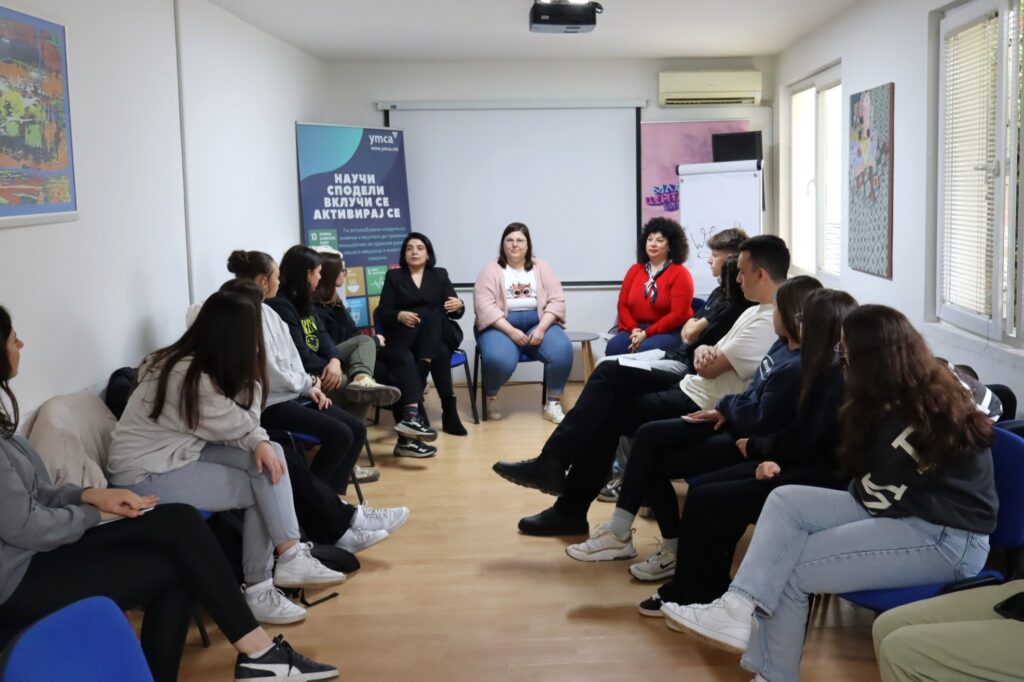
Latest News Youth Center Bitola: 2025 by the numbers In 2025, the Youth Center continued to provide a safe and inclusive space through various programs, activities and mentoring, which aimed to encourage personal development, cultivate leadership skills and create a sense of belonging among young people. The Youth Center is managed by 3 youth organizations from Bitola: YMCA, Sfera International and YCC. After a successful 2024, the work of the youth center continued with even greater enthusiasm and desire for as many participants and activities as possible. The specific goals set by this center were achieved through the specific program activities that were offered, providing a space where young people can spend their free time, develop their competencies, and encourage their entrepreneurial spirit. Healthy lifestyles were promoted, environmental awareness was raised and information was shared about other opportunities for informal education, strengthening active citizenship and promoting volunteerism. In the reporting period from January 1 to December 31, 2025 – 2,018 beneficiaries were covered by over 200 different activities, many of which were held multiple times. The activities were offered by the youth workers of YCB, as well as by various youth work providers, i.e. over 13 different youth work providers used the spaces of the Youth Center Bitola to carry out their activities intended for young people. The most visited topics were those related to the activities in the Center’s clubs. Of these, it is worth mentioning that creative workshops are quite visited by young people. After them are the topics related to learning various skills that will help them in their career path. The topics that directly relate to the environment and finally, of course, entertainment and social activities were also significantly visited. It should be noted that in the past 2025, the Center has devoted significant attention to its own advertising throughout the schools in the city, considering it necessary for young people to be informed about the opportunities we offer through our activities. Finally, we would like to highlight two program activities, led by the YMCA: The GLOW Club for Girls, which for the second year in a row offers activities aimed at learning leadership, volunteering, communication and practical skills and which included about 80 participants throughout the year, as well as The Peer School for Personal Growth and Career Development, which, with about 20 peer educators, included about 200 other students in most secondary schools in the Municipality of Bitola, introducing them to these topics. Taking into account the past two peer schools from previous years, namely the one against peer violence and the one on mental health, certain changes in the approach and appearance of these “schools” are planned for next year. The results of the work of the YCB in the period from January 1 to December 31, 2025 are proof of the commitment to continuous work and organizing activities aimed at the professional and personal development of young people in Bitola, as well as to encouraging their participation in making decisions important to them in their local community. Although the success of the programs is visible mostly through the interest in attendance at the activities of the youth center, which is continuous, in the annual period for 2025, lower numbers are noticeable than the total in 2024. This is due to the greater commitment of the Center to advertising in high schools in the past year – an activity that consumes a lot of time, energy and resources, and the results of which are not reported as numbers. We hope that these efforts for the Center will pay off in the future, since their goal was to increase its recognition among young people. The full annual report of the youth center in Macedonian is available on the Youth Center website.
GLOW Club 2025: New Energy in GLOW club
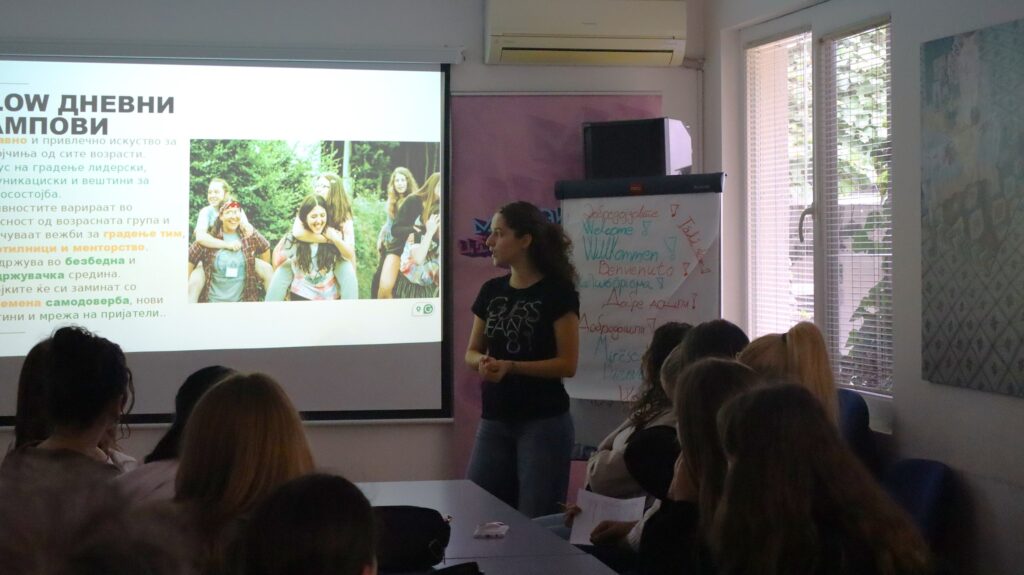
Latest News GLOW Club 2025: New Energy in GLOW club The excellent GLOW girls’ camp this summer was a great additional energy and motivation for the continuation of the GLOW club. After the successfully implemented GLOW club program last year, we started this school year again with new ideas, fresh energy and dedication to creating a space where young girls can learn, grow and be inspired. On October 11, 2025, an information session was held for the new generation of the GLOW club, where the participants were introduced to the program and activities that will follow throughout the school year. A novelty this year is that the leadership of the club was taken over by two former participants – Emma and Mila – who now, as club leaders, take care of communication, logistics and support of the club in coordination with the YMCA team. GLOW club workshops We launched a series of workshops on November 1, 2025, starting with an interactive session about communication and teamwork! YMCA youth worker, Jovche Krsteski, led the group through dynamic, fun activities, including practical demonstrations of how we use verbal and non-verbal communication. The positive energy was contagious, and the girls left motivated and ready for more. The momentum continued November 22 with the second GLOW Club workshop, where creativity took center stage. Professor Nikolina Gjurovska from Gymnasia Josip Broz Tito in Bitola, guided participants in exploring expression through poetry and short stories. It was a safe space for everyone to tap into their unique creativity using both written and visual inspiration. We closed out the year 2025 by looking ahead. At our final workshop on December 13, new Peace Corps Volunteer Ellen Kussman unveiled ‘The 2026 Vision for GLOW.’ Participants discovered exciting new paths for the coming summer, from attending the GLOW Camp for high school students to working as summer staff at our Day Camp. The vision also includes international training opportunities in Europe and the launch of the YMCA Youth Leaders Program later in the year. We will continue with new workshops on interesting topics throughout the next year. Highlights from the GLOW club are in the photo gallery below.
Participant’s Testimonials from the Digital Education Club

Latest News Participant’s Testimonials from the Digital Education Club Stefanija My name is Stefanija, and I am a high school student at SABA School in Bitola. I am 16 years old, and I am studying computer science. Today I completed the course ‘Introduction to Digital Business Skills’ from the Entrepreneurship section. I have been studying HP life courses in stages for a year. Although I am determined to learn about technology and its inventions, I often find myself logging into HP and going to the Entrepreneurship or Marketing courses. I simply love those courses because they are quick, easy to understand, and teach me things that I have never heard of before. Mihail My name is Mihail Spasevski and I come from the high school Taki Daskalo. I have been going to the courses for about a month now and to say that I’m satisfied with the courses is an understatement. Recently, I completed the class Social Entrepreneurship, which taught me how to assess a social enterprise idea, utilize stakeholder analysis, and measure business impact. I mostly do classes in the course of Entrepreneurship. I find these courses most useful for my work and me. They are not too long; they usually take me up to an hour to finish, and the shared information that is in these courses is awesome. I like the idea of online courses; I find them easier to understand and learn. If you want to, you can come back to the course and revisit it. The overall quality of these courses is amazing, and I would not change a single thing about them. Irem I am Irem Emektar, a student at the Department of Communication and Design at Ondokuz Mayis University in Turkey. I am originally from Ankara, but I am currently volunteering for two months at the Youth Center in Bitola. In addition to my university education, I have a great interest in the development of the digital world. Therefore, I aim to develop my knowledge and skills in digital marketing by attending courses at the YMCA, supported by HP Life. I believe that the future of communication and design will be shaped by the digital transformation. These courses contribute to both my professional and personal development. I recommend all young people to take advantage of this free opportunity, as the YMCA Digital Center offers an inspiring environment for anyone who wants to learn and improve. Jovan I am Jovan from Bitola, a regular volunteer at the YMCA. In the last year of my primary education, I actively devoted myself to the HP life courses, which were held almost every week at the Youth Center. From the very beginning, I had the feeling that they would complement my existing knowledge. After completing several courses, I became even more interested. I also had the opportunity to be part of the first generation of participants at the HP Gaming Garage, where I studied a course in Computer Game Design. During these courses, I liked the communication and interaction with other students who regularly attended. I recommend this way of gaining new knowledge to my classmates, and to freely study my favorite topic, digital marketing.
Digital Education Club 2025: Strengthening Digital Skills and Community Engagement
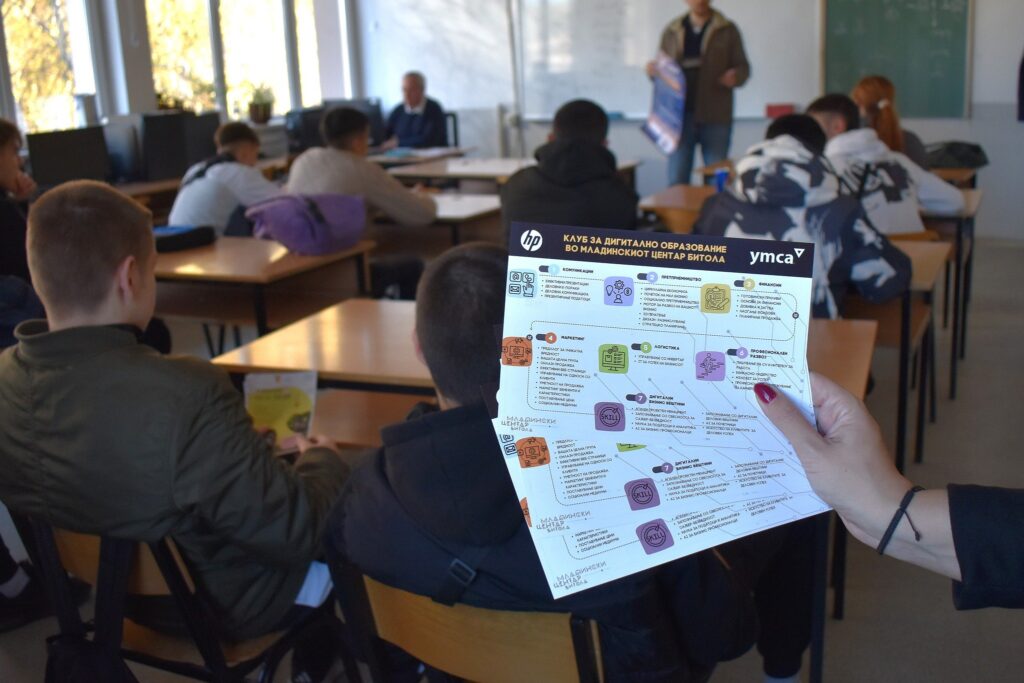
Latest News Digital Education Club 2025: Strengthening Digital Skills and Community Engagement The Youth Center in Bitola continues to actively fulfill its mission of preparing young people for the digital future, offering them free access to HP’s online educational platforms. Throughout the year, the YMCA continuously implemented HP LIFE courses, enabling young people to acquire basic digital competencies and practical knowledge in business, marketing, communications, entrepreneurship, etc. These regular activities were a continuation of the foundation laid in 2023 and 2024, when several hundred participants completed HP LIFE sessions and received certificates on various topics, from digital marketing to entrepreneurship. While this year’s total number of young people included in the program was slightly lower (300+ participants), our community reach and engagement efforts intensified, especially in the last quarter of the year, as you can read below. See below the photo gallery from the digital education sessions of the club in 2025. Expanding Our Community Footprint To make digital learning more visible and accessible beyond the Youth Center, we launched offline promotion campaigns in secondary schools across Bitola. Teams of young volunteers went into classrooms and school events to share stories and encourage classmates to join the digital education courses. We also took part in major local events — including the Volunteer Fair and the University Hackathon — where we met students face-to-face and offered on-the-spot registrations. This grassroots outreach helped us connect with young people who might not have seen the program online, and deepened YMCA’s presence as a trusted partner in youth learning and development throughout the city. See below the photo gallery from all the campaigning with HP life courses across the city.
Real Stories, Real Growth: Peer School Participants Reflect
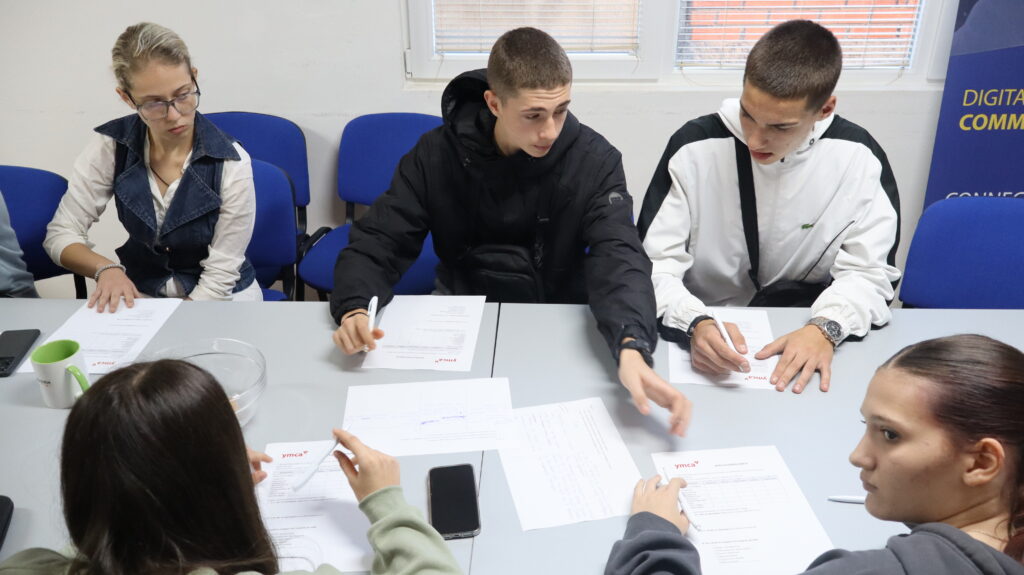
Latest News Real Stories, Real Growth: Peer School Participants Reflect Mila Nikolovski, Economic School Jane Sandanski When I first heard about this activity, I immediately felt great curiosity and excitement. I had positive expectations – that I would learn something new, meet interesting people and gain useful knowledge and experiences. What I liked the most was the teamwork and practical tasks, which were dynamic and fun. Through them, I learned new skills for communication, cooperation and critical thinking, and at the same time gained greater confidence in expressing my ideas. This experience helped me develop as a person, improve my social and organizational skills and get a clearer idea of my future goals. I can apply the acquired knowledge in everyday communication, at school, as well as when working in a team and making decisions in different situations. And young people who want to upgrade themselves and gain new experiences would benefit the most from such activities. I would certainly recommend such programs to everyone, because they contribute to personal development and practical knowledge. Sara Gruevska, Economic School Jane Sandanski I came to the peer school with expectations that I would have a good time and that I would learn many new and useful things, and those expectations were fully realized. The workshops were particularly interesting and interactive, and through them I gained new knowledge and insights that I did not possess before. This experience taught me true values and significantly contributed to my personal growth and self-improvement. I believe that the things we learned are fully applicable in everyday life and help us better deal with different situations. We, the participants, benefit the most, because through the activities we learn practical skills that are necessary for us in everyday life. Nektaria Ilievska, Gymnasium SABA Honestly, the peer school met and even exceeded my expectations. I liked the activities and games the most, because through them learning was interesting, active and fun. During the peer school I learned many new things and gained new knowledge and skills that will be useful to me in the future. I believe that what we learned is practical and applicable in real life, and I think that this type of school is most useful for high school students. Stefanija Dimitrijovska, Gymnasium SABA Before the peer school started, I had expectations to learn more information related to the world of career development. The most interesting part of the program for me were the games in which we actively participated and were constantly on the move. Through them, I learned new games and ways of cooperating with others. I believe that the school partially, but significantly, contributed to me in this area and gave me a clearer picture of the topic. The things we learned are applicable in everyday life and can be of great benefit to students in the seventh, eighth and ninth grades, as well as to students in the first, second and third years of secondary education.
The Third YMCA Peer School: Fostering Personal Growth, Communication and Career Guidance

Latest News The third YMCA Peer School: Fostering Personal Growth, Communication and Career Guidance Over the past three years, the YMCA Peer School has gradually developed as a space where young people learn to talk about topics that most often do not receive the attention they deserve within formal education. After one school year dedicated to mental health and another focused on peer violence, this year’s school combined the experiences from both previous years and focused on the questions that young people are increasingly asking – who we are, what drives us, and how to make informed choices for the future. Therefore, the focus was placed on personal development, values, and career guidance. The activities, led by Jovche Krsteski, youth worker and psychologist, were held in the first semester of the academic year at the premises of the youth center and included participants from seven high schools in Bitola. The Peer School was conducted through a series of workshops, organized into separate modules for personal growth and career development that build upon each other. The process began with exploring personal values, needs, and interests as a foundation for developing self-awareness. Participants reflected on what is important to them, what motivates them, and which factors influence their choices, as well as how these aspects affect their daily behavior and decision-making. Later, attention was directed toward the differences between knowledge and skills and their importance for personal and professional development, through which the young people recognized their own potential and learned that personal growth is not based solely on what we know, but also on how we apply that knowledge in various life situations. Communication and interpersonal relationships were identified as key components of personal development. Within these modules, participants explored communication styles, temperaments, and their impact on relationships with others. The work continued with topics related to conflicts, analyzing different strategies for resolving them and the connection between personal characteristics and reactions in conflict situations. In the later phase of the Peer School, the focus shifted to identity, personal vision, and long-term goals. Through creative and reflective activities, participants considered what defines them, which values guide them, and how these aspects relate to their future educational and career choices. The final modules were focused on taking initiative and preparing for peer education. Participants worked on planning and structuring presentations, adapting content for different groups of audiences, and developing confidence in public speaking. This part represented a transition from personal work to actively sharing the acquired knowledge within the school environment. The process was concluded with the awarding of certificates to participants who actively participated over the past months and carried out the planned peer activities. With this third Peer School, YMCA Bitola continues to build continuity in peer education and create a space where young people can develop, express themselves, and receive guidance and support in building their future. The project was supported by CVJM #SignsOfHope and the Municipality of Bitola! You can view the photos from the Peer School and peer education activities in the album below.
